How to Build a Supplement Brand: 10 Key Steps

Learning how to build a supplement brand involves much more than developing a product, designing attractive packaging and launching an online store. While these are important parts of starting a supplement business, building a successful brand requires a clear market position, customer trust, consistent marketing and a commercial strategy that supports long-term growth.
The supplement industry is highly competitive. Consumers can compare dozens of similar products across Google, social media, online retailers and marketplaces such as Takealot and Amazon. For a new or growing supplement company, having a quality product is important, but it does not automatically give customers a reason to choose your brand over another.
At RAS Digital Marketing, we specialise in helping supplement, nutraceutical and wellness businesses improve how they attract customers, increase online sales and generate repeat purchases. One of the most important distinctions we see is the difference between launching a supplement product and developing a supplement brand that customers recognise, trust and deliberately choose.
To build a successful supplement brand, you need to identify your ideal customer, establish clear market positioning, develop trustworthy products, create a recognisable brand identity, build effective sales channels and implement a marketing strategy that turns first-time buyers into returning customers.
In this guide, we explain how to build a supplement brand in 10 key steps, from identifying your ideal customers and developing your brand identity to creating an effective supplement marketing strategy, increasing online sales and building long-term customer loyalty.
Whether you are developing a new supplement company or strengthening an established business, these steps provide a practical framework for building a more recognisable and commercially successful brand.
What Makes a Successful Supplement Brand?
A supplement product and a supplement brand are not the same thing.
A product is what a business sells. A brand is the identity, reputation and customer experience that influence why someone chooses that product and whether they purchase it again.
Consider two companies selling similar collagen supplements. Both offer comparable ingredients, product quantities and prices. One relies primarily on product listings and occasional discounts, while the other has a recognisable identity, informative product pages, consistent messaging, genuine customer reviews and a reliable purchasing experience.
Although both businesses sell supplements, they are developing very different commercial assets.
The second company is creating reasons for customers to recognise and trust the business beyond an individual product. Over time, this can help the business become less dependent on competing solely through price, promotions and advertising.
Successful supplement brand development therefore requires businesses to think beyond manufacturing and product launches. They need to consider what customers associate with the brand, why they choose it and what encourages them to return.
If you are still researching the practical requirements of launching a business, our guide on how to start a supplement brand explains the wider startup process, including manufacturing, compliance, commercial planning and customer acquisition.
Once those foundations are understood, the next challenge is building a brand with a clear position in the market.
1. Identify Your Ideal Supplement Customer
One of the first decisions when building a supplement brand is determining exactly who the company intends to serve.
Many supplement businesses make the mistake of targeting everyone interested in health and wellness. Although this creates the appearance of a large potential market, it often results in weak positioning and generic marketing.
A more focused supplement branding strategy begins with understanding a specific customer group and the reasons they purchase products within a particular category.
For example, a collagen supplement brand might focus on customers interested in convenient daily supplement routines, while a sports nutrition company could concentrate on recreational athletes looking for practical products that fit their training habits.
Both businesses operate within the supplement industry, but their customers, product expectations, messaging and buying behaviour can be very different.
Before developing your brand positioning, consider the following:
- Who is most likely to purchase your supplements?
- What motivates them to research your product category?
- Which competing supplement brands are they already considering?
- What questions influence their purchasing decisions?
- Where do they research products before buying?
- What would encourage them to purchase from your brand again?
The answers should influence your brand identity, product positioning, website, educational content and digital marketing strategy.
A supplement brand becomes easier to market when it has a clearly defined customer rather than trying to appeal to everyone.
The more accurately you understand your intended audience, the easier it becomes to create relevant marketing messages, choose appropriate sales channels and develop a brand that customers can identify with.
2. Develop a Supplement Brand Positioning Strategy
Brand positioning determines how customers understand your supplement business in relation to competing companies.
This is particularly important in categories such as collagen, creatine, magnesium, probiotics, vitamins and sports nutrition, where consumers frequently encounter products with similar ingredients and intended uses.
Simply describing a supplement as premium, high quality or scientifically formulated is unlikely to create a meaningful difference when competing brands communicate similar messages.
Instead, consider what gives customers a practical reason to recognise and choose your business.
Your supplement brand positioning might be based on a particular customer group, product experience, convenient format, ingredient transparency, carefully selected product range or approach to customer education.
A supplement company could, for example, position itself around uncomplicated daily nutrition, clearly labelled products and convenient formats designed for customers who prefer simple supplement routines.
That is a more specific market position than describing the business as another premium wellness brand.
Research Your Supplement Competitors
Before finalising your positioning, examine the businesses already competing within your chosen product category.
Look at their websites, packaging, product ranges, pricing, customer reviews, advertising messages and purchasing experiences.
Pay attention to the promises they repeat, the concerns customers raise and the areas where competing brands appear to offer very similar experiences.
The objective is not to copy a successful competitor. It is to understand the market well enough to identify a position your business can genuinely deliver.
A useful supplement brand strategy should clearly explain who your brand serves, what it offers and why customers should consider it.
This positioning should influence everything from packaging and website copy to advertising creative, product development and customer communication.
Without clear positioning, even a well-designed supplement brand can struggle to communicate what makes it different.
3. Create a Recognisable Supplement Brand Identity

Once your positioning is established, the next step is translating it into a consistent brand identity.
Your brand identity includes much more than the logo placed on a supplement bottle. It covers the visual presentation, brand name, packaging, website, photography, tone of communication and overall customer experience.
A well-developed supplement brand should feel consistent wherever customers encounter it.
Someone discovering your products through an Instagram advert should recognise the same identity when visiting your website, receiving an email, examining the packaging or finding the product on an online marketplace.
Consistency makes your business easier to recognise and remember.
What Should Your Supplement Brand Identity Include?
Effective supplement branding combines a recognisable visual identity, clear market positioning and consistent communication across packaging, advertising, social media and your eCommerce website.
A strong brand identity should incorporate a distinctive brand name, professional packaging, suitable visual design, consistent product photography and a clear communication style.
It is also important to consider how the brand will develop as the product range expands.
A company planning to introduce several supplement categories should avoid creating an identity that becomes unnecessarily restrictive after launching its first product.
Before committing to a brand name, investigate relevant domain availability and potential trade mark conflicts.
Your supplement product branding should support the commercial direction of the business rather than simply follow a temporary design trend.
The objective is to create a brand identity that customers can recognise across different products, sales channels and marketing campaigns.
4. Build Your Supplement Brand Around Quality and Trust
In the supplement industry, trust plays an important role in the purchasing decision.
Customers are buying products intended for consumption, often from companies they have never dealt with before. That makes product transparency, reliable manufacturing, accurate information and professional presentation especially important.
A supplement business can invest heavily in marketing, but advertising cannot compensate for unreliable manufacturing or misleading product information.
Whether you use a private-label manufacturer or develop your own formulation, investigate supplier suitability, ingredient documentation, relevant quality standards, batch traceability, testing arrangements and manufacturing consistency.
Product pages and packaging should provide clear, accurate information that helps customers understand what they are purchasing.
Supplement Regulations in South Africa
For businesses building a supplement brand in South Africa, regulatory compliance must form part of the business strategy.
The South African Health Products Regulatory Authority (SAHPRA) provides guidance concerning complementary medicines and health supplements, including requirements relating to product quality, safety, efficacy and permitted indications.
The specific regulatory requirements depend on the product’s classification, composition, intended use and claims. Businesses should obtain appropriate product-specific regulatory advice before manufacturing, importing, labelling, promoting or selling supplements.
Marketing claims must also be considered carefully.
For example, advertising a supplement using exaggerated medical claims or implying guaranteed physical results can create regulatory and advertising-platform risks.
Our article on Meta ad policy violations for supplement brands explains why the wording, presentation and claims used in supplement advertising can influence campaign approvals and account stability.
A credible supplement brand builds trust through genuine product quality, transparency and consistent customer experiences rather than unsupported promises.
5. Develop a Supplement Product and Pricing Strategy
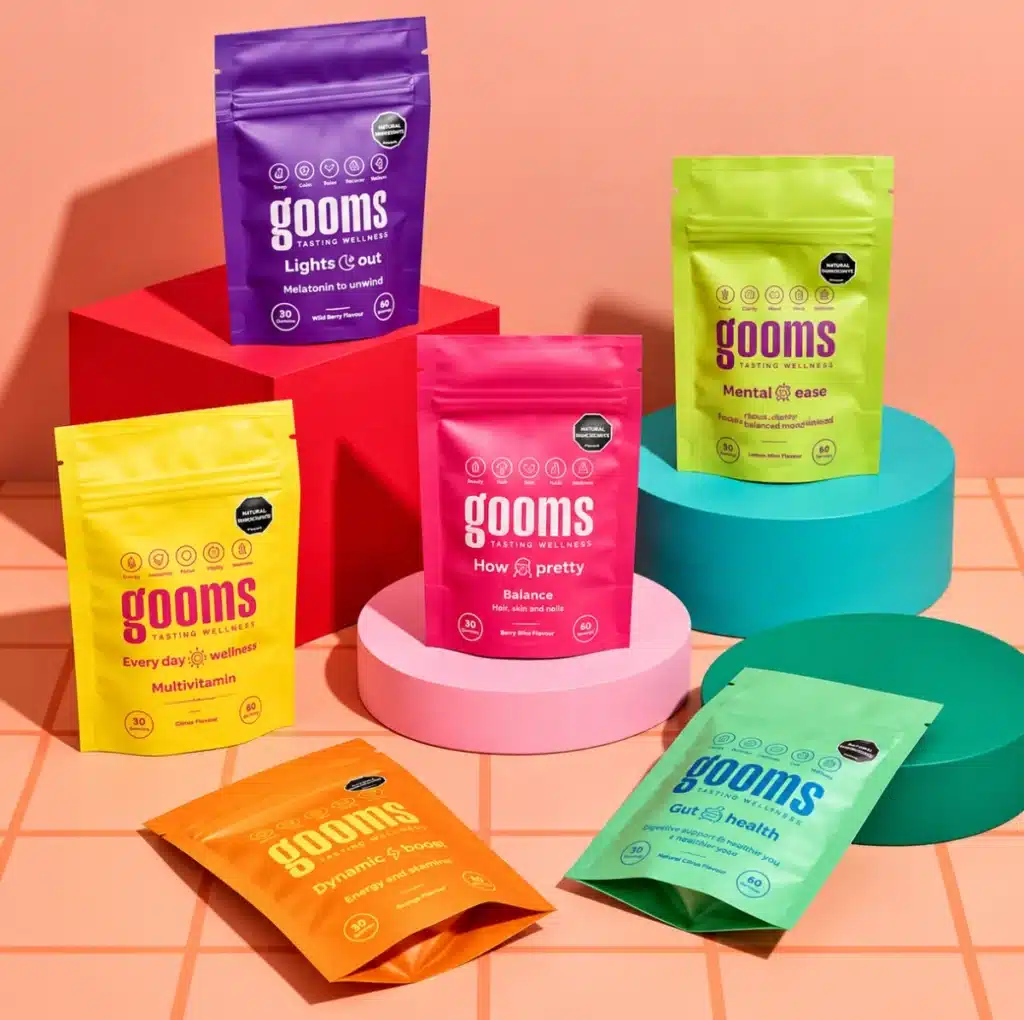
A successful supplement brand needs a commercial model capable of supporting customer acquisition, fulfilment, operational expenses and future investment.
One challenge for growing supplement companies is finding the balance between competitive pricing and sufficient contribution margin.
A product may appear profitable when comparing its selling price against manufacturing costs, but that calculation excludes several important expenses.
Consider a simplified example of a supplement selling for R399.
If product manufacturing and packaging cost R120, fulfilment and handling cost R25, the business contributes R40 towards delivery and payment processing costs R12, the remaining amount is approximately R202 before advertising, other operating expenses, returns and tax adjustments.
These figures are illustrative, and the example does not account for VAT.
If acquiring a new customer costs more than the available first-order contribution, the brand may struggle to grow profitably without sufficient repeat-purchase value.
This is why product pricing should be developed alongside your supplement marketing strategy rather than treated as a separate decision.
Consider the Commercial Value of Your Product Range
Supplement companies should also evaluate how their products contribute to average order value, customer retention and long-term profitability.
Bundles, multi-product purchases and suitable replenishment options can improve convenience for customers while potentially strengthening the economics of customer acquisition.
However, discounts and promotional offers should be evaluated against the actual margins available.
Our article on what makes a good ROAS for supplement brands explains why advertising performance needs to be assessed alongside product margins, customer acquisition costs and customer lifetime value.
A growing supplement business should understand not only how much revenue it generates, but how much it retains and what it can realistically afford to spend acquiring customers.
6. Build an eCommerce Website That Supports Your Brand
Your website should become the central destination for customers researching and purchasing your supplements.
A professional supplement eCommerce website does more than display products and accept payments. It communicates your positioning, explains your product range, answers buying questions and provides reassurance throughout the purchasing process.
Customers should quickly understand what the business sells, who its products are intended for and why the company is worth considering.
Important elements of a supplement eCommerce website include clear product descriptions, ingredient information, professional photography, mobile-friendly navigation, transparent pricing, delivery information, genuine customer reviews and a straightforward checkout experience.
Your website should also support your wider digital marketing strategy.
For example, someone discovering your brand through Facebook may require more product education than someone searching Google for your specific product.
A customer unfamiliar with your business might need to understand what makes the brand credible before deciding whether to purchase.
This is where conversion-focused product pages and dedicated supplement sales funnels can make a difference.
Our guide on how to sell more supplements online explains how advertising, offers, eCommerce, sales funnels and customer retention work together to generate sales.
Should You Sell Supplements on Takealot and Amazon?
For South African supplement brands, marketplaces such as Takealot and Amazon can provide access to customers already searching for products within particular categories.
However, marketplaces should not automatically replace your own website.
Your eCommerce store gives you greater control over product education, customer relationships, sales funnels, email marketing, promotional offers and repeat-purchase communication.
Our comparison of Takealot vs Amazon vs your own website for supplement brands explains how these platforms can serve different purposes within a wider eCommerce strategy.
The objective is to build sales channels that support the brand rather than allowing the business to become entirely dependent on one platform.
7. Create a Supplement Marketing Strategy That Builds Demand

Developing a successful supplement brand requires a consistent way of introducing the business to potential customers.
A common mistake is to finish developing the product, launch the website and only then begin considering how customers will discover the company.
Your supplement brand marketing strategy should be planned much earlier.
Different marketing channels serve different purposes, and a stronger approach usually connects brand awareness, customer education, product discovery, conversion and retention.
Build Brand Awareness Through Facebook and Instagram
Meta advertising can introduce suitable supplement products to relevant audiences and build familiarity with a brand.
Advertising creative, product positioning, messaging and the landing-page experience all influence whether someone becomes interested enough to explore the business.
However, getting someone to click an advert does not mean they are ready to purchase.
Our guide to Meta Ads for supplement brands explains why effective campaigns depend on more than the advert itself. The offer, website, sales funnel and checkout experience all contribute to whether advertising produces commercially meaningful results.
Supplement companies also need to consider applicable advertising restrictions and ensure that product claims and landing pages comply with relevant requirements.
Capture Existing Supplement Demand Through Google Ads
Google Search can help supplement businesses reach potential customers already researching ingredients, products and supplement categories.
This creates a different opportunity from social media advertising, where customers may not yet be actively searching for the product being promoted.
However, traffic from Google does not automatically translate into profitable sales.
Keyword intent, product eligibility, advertising policies, pricing, website quality and conversion tracking all influence commercial performance.
Our article on Google Ads for supplement brands explains how these elements can work together when developing a customer acquisition strategy.
Connect Your Advertising With the Customer Journey
A successful supplement marketing strategy should not treat advertising, websites, landing pages and email marketing as unrelated activities.
The message that encourages someone to click an advert should continue throughout the buying journey.
Your landing page should provide relevant information, your product offer should be clear, and the checkout process should make purchasing straightforward.
After the sale, appropriate follow-up communication can help develop a longer-term customer relationship.
Our guide on how to market a supplement brand online explores how different marketing channels can support more sustainable online growth.
The objective is not simply to generate more traffic. It is to attract relevant customers and create an experience that encourages them to purchase.
8. Improve Your Supplement Brand’s SEO and AI Search Visibility
Search engine optimisation should form part of your supplement brand’s long-term growth strategy.
While paid advertising can help introduce products to potential customers, SEO creates opportunities for people to discover your business when researching supplement categories, ingredients and relevant buying questions.
A strong supplement SEO strategy should focus on helping search engines understand your business while giving potential customers genuinely useful information.
This includes developing clear product pages, well-structured category pages, informative educational content and answers to common customer questions.
Build Organic Traffic Through Relevant Supplement Content
A supplement company can use educational articles to address questions customers frequently ask before purchasing.
For example, a brand selling creatine supplements could publish informative content explaining different product formats, ingredient quantities, usage considerations and what customers should compare when choosing a product.
This type of content can attract people researching the category before they have decided which brand to purchase.
However, the objective should be to provide genuinely useful information rather than publish large numbers of repetitive articles simply to target keywords.
Content should be accurate, clearly organised and supported by appropriate sources, particularly when discussing health-related topics.
Strong internal linking between educational content, product pages and relevant categories can also help visitors find additional information while making relationships between pages easier for search engines to understand.
Make Your Supplement Brand Discoverable Through AI Search
Consumers also use AI tools such as ChatGPT to research products, compare options and understand differences between supplement categories.
This creates another reason for supplement businesses to publish clear, accessible and trustworthy information about their products.
Your website should communicate your brand name, product categories, ingredient information, product formats, relevant specifications and other information customers need to make informed decisions.
Where appropriate, structured product data, consistent brand information and genuine customer reviews can improve how clearly your products are represented online.
However, no agency can guarantee that an AI platform will recommend a particular supplement brand.
Our article on how to get your supplement brand recommended by ChatGPT explains the importance of accessible product information, useful content, online credibility and strong SEO foundations.
For supplement companies, Google SEO and AI search visibility should support the wider brand-building strategy rather than operate as isolated marketing activities.
9. Turn First-Time Buyers Into Loyal Supplement Customers
Customer retention is one of the most important elements of building a successful supplement brand.
Many supplement products are purchased repeatedly as part of ongoing routines. This creates an opportunity to develop longer-term customer relationships, provided customers are satisfied with the product and overall purchasing experience.
A business that constantly needs to acquire new customers to replace previous buyers can become increasingly dependent on advertising.
A stronger supplement brand considers what happens after the first order.
That includes reliable delivery, helpful product information, responsive customer service, appropriate follow-up communication and a convenient way to purchase again.
Use Email Marketing to Develop Customer Relationships
Email marketing can be particularly valuable because it allows supplement businesses to communicate directly with customers who have agreed to receive marketing communications.
For example, a supplement company could develop an automated post-purchase journey that welcomes customers, provides relevant product information and introduces suitable replenishment options at an appropriate time.
The timing should reflect actual product quantities, usage directions and purchasing behaviour rather than assuming every customer needs to reorder after the same number of days.
Customer retention should not depend entirely on constant discounts.
A positive customer experience, reliable products and consistent communication can provide stronger long-term reasons for customers to remain with the brand.
Our guide to supplement customer retention strategies explains how businesses can increase repeat purchases and develop stronger customer lifetime value.
A customer choosing to purchase again is an important indication that the business is creating value beyond the initial transaction.
10. Measure and Grow Your Supplement Brand
Building a supplement brand requires more than monitoring followers, website visitors and advertising impressions.
These metrics can provide useful information, but they do not necessarily indicate whether the business is becoming commercially stronger.
Successful supplement brand development requires businesses to measure customer acquisition costs, conversion rates, brand recognition and repeat purchases rather than relying exclusively on short-term sales.
A more complete view of supplement brand growth should include several important performance indicators.
Customer Acquisition Cost (CAC): How much the business spends acquiring a new customer.
Average Order Value (AOV): The average amount customers spend per transaction.
Website Conversion Rate: The percentage of website visitors who complete a purchase.
Repeat Purchase Rate: The proportion of customers who return and buy again.
Customer Lifetime Value (CLV): An estimate of the financial value generated throughout a customer’s relationship with the business.
Branded Search Demand: How frequently people search specifically for your business or product names.
Branded search growth can be particularly interesting because it may indicate increasing awareness and recognition, although it should not be treated as proof of profitability on its own.
Together, these indicators provide a clearer picture of whether the company is simply generating transactions or developing a stronger commercial position.
Use a Connected Supplement Brand Growth Strategy
At RAS Digital Marketing, we use our RAS VITAL Growth Model™ to connect the different elements of online supplement growth.
The five stages of the model are:
- Validate: Identify the products, audiences and offers worth investing in.
- Ignite: Create demand through appropriate advertising and customer acquisition strategies.
- Turn: Improve sales funnels and buying journeys to convert interest into purchases.
- Amplify: Increase investment in the products and campaigns demonstrating commercial potential.
- Lift: Strengthen customer retention and increase customer lifetime value.
This approach treats supplement brand growth as a connected commercial system rather than a collection of unrelated marketing activities.
For a growing supplement business, the objective is to understand which activities contribute to revenue, where customers are being lost and which opportunities deserve further investment.
That understanding allows the business to make more informed decisions as it develops.
Frequently Asked Questions About Building a Supplement Brand
How Do You Build a Successful Supplement Brand?
To build a successful supplement brand, begin by identifying a specific customer group and developing a clear market position. Create reliable products, establish a recognisable identity, build a professional eCommerce website and implement a marketing strategy that attracts customers and supports repeat purchasing. Sustainable growth also depends on product quality, regulatory compliance, pricing, customer acquisition costs and customer experience.
How Much Does It Cost to Build a Supplement Brand?
The cost of building a supplement brand varies depending on formulation, manufacturing quantities, packaging, regulatory requirements, inventory, website development and marketing investment. Private-label products may have different startup costs from custom formulations. Businesses should calculate both initial launch costs and the working capital required to operate and attract customers.
Can You Build a Supplement Brand Without Manufacturing Your Own Products?
Yes. Some supplement companies work with third-party manufacturers or private-label suppliers rather than manufacturing products themselves. However, working with a third party does not automatically remove the brand owner’s responsibilities relating to product quality, regulatory compliance, labelling and marketing.
Is It Better to Start a Supplement Brand With One Product or Several?
Starting with one carefully selected product can make it easier to focus marketing, understand customer demand and control initial costs. However, the right approach depends on your target market, product economics and business strategy. Additional products should serve a clear customer need rather than simply expanding the catalogue.
How Do You Make a Supplement Brand Stand Out?
A supplement brand can differentiate itself through clear market positioning, a recognisable identity, transparent product information, a consistent customer experience and genuine customer trust. The most effective differentiation should be relevant to the intended customer and supported by what the business can actually deliver.
How Long Does It Take to Build a Successful Supplement Brand?
There is no fixed timeline for building a successful supplement brand. Product development, manufacturing and regulatory processes can take different amounts of time depending on the business model. Building customer recognition, improving marketing performance and developing repeat-purchase relationships generally requires ongoing investment and refinement beyond the initial launch.
What Is the Best Way to Grow a Supplement Brand Online?
Growing a supplement brand online generally requires a combination of strong positioning, search visibility, appropriate paid advertising, a professional eCommerce website, effective sales funnels and customer retention. Businesses should measure customer acquisition, conversion, margins and repeat purchases to determine which activities support profitable growth.
Building a Supplement Brand Requires a Long-Term Strategy
Understanding how to build a supplement brand begins with recognising that the product is only one part of the business.
Manufacturing makes it possible to sell a supplement. Branding, product credibility, customer experience and marketing influence why customers choose to purchase it.
By following these 10 key steps, supplement businesses can establish stronger market positioning, develop customer trust, improve online visibility and create a marketing strategy that supports long-term commercial growth.
The companies that develop stronger positions in their markets are not necessarily those with the largest product catalogues or most aggressive advertising budgets.
They are businesses that understand their customers, communicate a clear reason to buy and provide a consistent experience throughout the purchasing journey.
The objective is not simply to sell more supplements. It is to build a brand that customers recognise, trust and choose again.
Ready to Strengthen Your Supplement Brand?
At RAS Digital Marketing, we specialise in helping established supplement, nutraceutical and wellness brands improve their online sales through connected marketing strategies, paid advertising, eCommerce optimisation, sales funnels and customer retention.
We understand the commercial and advertising challenges that supplement companies face, which is why our approach connects customer acquisition, conversion and retention rather than treating each marketing channel as a separate activity.
Discover why working with a specialist supplement marketing agency can make a difference when developing a long-term digital growth strategy.
Our RAS VITAL Growth Model™ is designed to help identify where businesses may be losing customers and where improvements could support more profitable growth.
If your supplement business is already operating and you are ready to take the next step, our team can help assess opportunities within your existing marketing and customer journey.
Book a Strategic Call With RAS Digital Marketing
Discover how a more connected digital marketing strategy can support your supplement brand’s next stage of growth.
Image Disclaimer: Product images featured in this article are used for illustrative and educational purposes only. RAS Digital Marketing is not affiliated with the brands shown. All trademarks and image rights belong to their respective owners.

Tom Edwards
http://www.rasdigitalmarketing.comTom Edwards writes about digital growth for supplement, nutraceutical and wellness brands at RAS Digital Marketing. His content covers paid media, eCommerce, sales funnels, conversion optimisation and customer retention through the RAS VITAL Growth Model™.

